
Immune system in poultry
Immune system mechanism in poultry is made up of two types of mechanism1.Non specific
2.Specific
Non-specific immune mechanisms
This includes the innate or inherent ways in which poultry fight against diseases. These include genetic factors, body temperature, anatomic features, normal microflora, respiratory tract cilia etc.
Innate Immune System
The innate immune system is made of defences against infection that can be activated immediately once a pathogen attacks, aim to keep viruses, bacteria, parasites, and other foreign particles out of body or limit their ability to spread and move throughout the body. It includes:
●Physical Barriers : Such as skin, the gastrointestinal tract, the respiratory tract, the nasopharynx, cilia, eyelashes and other body hair.
●Defense Mechanisms: Various secretions like mucous, bile, gastric acid, saliva, tears, and sweat.
●General immune responses : Response against Inflammation, complement, and non-specific cellular responses.
Specific immune mechanisms (acquired system)
This system is divided into cellular and non-cellular (humoral) components.
Immune system combats the antigens and ensures the good health status of the bird. Classification of Immune System
Humoral: Consist of immunoglobulin (antibodies) and the cells which produce them.B-lymphocytes are the cells which are responsible for the production of antibodies. There are three classes of antibodies which are produced in the chicken after exposure to a disease or vaccination; these include Ig M, Ig G, and Ig A.
Cellular: This include all the cells that fights with antigens, except those associated with antibody production. The cells associated with this system are the T-lymphocytes. Some T-cells produce lymphokines (over 90 different ones have been identified) and some directly destroy disease organisms.
Anything which damages the cellular or humoral immune systems lowers the active immunity. When the chick receives pre-made antibodies from the hen through the egg or from any other source then it is called passive immunity.
The organs or cells that are the part of immune system in poultry are:
Bursa of fabricius.
- Thymus
- Spleen
- Bone marrow
- The lymphoid cell aggregates along the gut, the trachea, the oesophagus, the Harderian gland and he caecal tonsils.
- Circulating lymphocyte
Components of Immunity
- Physical Barriers
- Innate Immunity
- Adoptive Immunity
- Intestinal immune apparatus
Development of the immune system
Development of the immune system is initiated during embryogenesis but is not complete until after hatch. This development may be limited by nutrient availability in fasted hatchlings.
Early feeding was associated with larger bursa weights and greater lymphocyte proliferation.Residual yolk did not provide the required level of nutrition to fully support immune system maturation during the first two days after hatch.
Appearance of biliary IgA and germinal centres occurred earlier and in larger amounts in birds given early nutrition, indicating a more rapid development of the capability to respond to vaccine administration. Improved immune system associated with improved bird performance following a disease challenge.
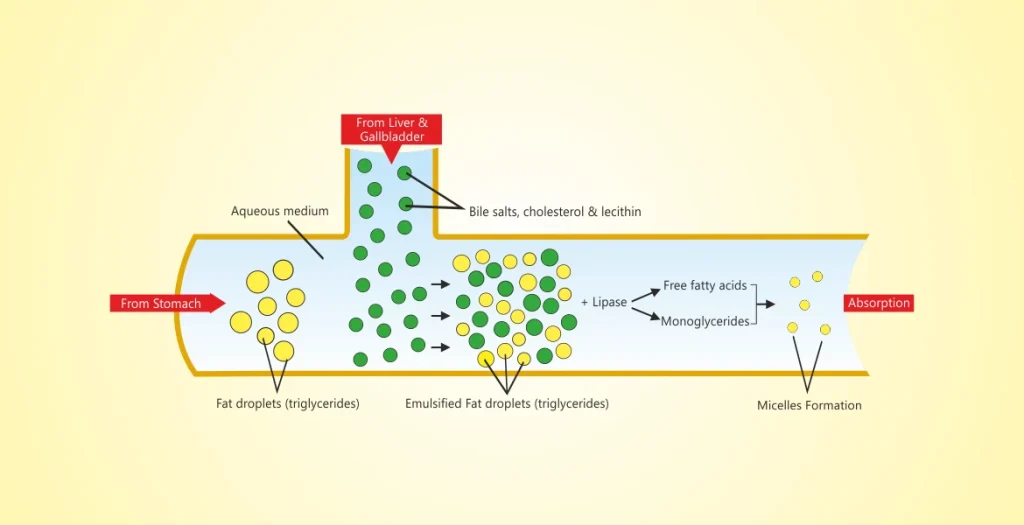
The chick or poult should be provided with an optimum nutrient formulation and a source of water immediately after hatching. This initiates immune development and spares yolk macromolecules such as yolk antibodies for passive immunity. Biochemically, residual yolk lipids are ideal for Lipid transport, for cell membrane and immunomodulator synthesis, and for development of the central nervous system and retina.
What is immunosuppression?
Immunosuppression is a state of body when the immune system or humoral (antibodies) and cell mediated immunity is depressed. Immunosuppression may affect both health and performance. Increased mortality, uneven growth, decreased body weight, higher feed conversion, higher medication costs and higher rate of condemnations at slaughter are common findings in immunosuppressed birds.
Basically, the organs or cells that can damaged are:
The bursa of fbricius
The thymus The spleen
The bone marrow
The lymphoid cell aggregates along the gut, the trachea, the oesophagus, for instance, the harderian gland, the caecal tonsils and the payer’s patches
The circulating lymphocytes
Symptoms :
- Atrophy of lymphoid organs
- Increased mortality
- Less uniformity of flock
- Poor performance
- Less antibody titre against vaccination
- Susceptibility against diseases
Mechanism of immunosuppression in some viral diseases
| Virus | B lymphocyte | Effect upon T lymphocyte | Macrophages | Others |
| Gumboro disease | Depletion of bursal and peripheral populations | —— | —— | —— |
| Marek’s disease | Destruction in early stages of virus multiplication | Transformation in tumoral cells | —— | —— |
| Reovirus | Destruction by virus multiplication | —— | —— | —— |
| Chicken infectious anaemia | —— | Depletion of all cell lines | —— | —— |
| Newcastle disease | —— | —— | Destruction in phagocytic activity | Damage in the trachea ciliae |
Factors:
- Selection of high growth and performance oriented breeds are more prone to diseases
- Inherited transmission of diseases
- Due to poor hatching & brooding weak chicks having under develop immune system
- Nutritional deficiency of minerals, vitamins, amino acids etc.
- Stresses- vaccination, brooding, extreme climatic conditions & fast growth can also attract diseases
- Toxins reduces WBCs, affect activity of liver and specific immunity towards vaccines
- Diseases like IBD, CRD & Gumboro which crash the immune system
How to prevent birds from immune suppression:
Adopt proper management practices in farms
Prevention and control of immunosuppression due to diseases
Prevents birds from nutritional deficiency
Maintain intestinal integrity
Prevents birds from various stress factors
Adopt effective vaccination technique

 Call Now