
Fat is the major source of energy in poultry production, it provides about two times more energy than carbohydrate and protein. In the poultry industry many types of fat and oils are used according to fatty acid composition and their contribution to metabolizable energy (ME).
Different energy source in poultry
| Source | Energy (calories/gm) |
| Carbohydrates | 4 |
| Protein | 4 |
| Fats | 9 |
The efficient utilization of dietary fat required optimum digestion and absorption of fat in the gastrointestinal tract of poultry birds. For digestion of fat, fat undergone emulsification process and it is done by bile salts which are normally present in the poultry gut, major function of bile is a biological steroidal detergent that emulsifies and solubilizes lipids, thereby playing a critical role in fat digestion and absorption.
Stages of Lipid Digestion:
Phase 1: Emulsification
Dietary fat droplets are dissolve in the water by action of bile salts which is secreted by liver
Phase 2: Fat Hydrolysis
In this stage enzymatic action takes place which is initiated by lipase enzyme. By the enzymatic action larger fat droplets are hydrolyzed into simpler fatty acids, mono-glycerides & di-glycerides.
Phase 3: Micelle formation
Now simpler lipid form is undergone into micelle formation which facilitates dispersion in a liquid colloid
Phase 4: Absorption
Absorption of micelles takes place
Limitation with natural emulsifier:
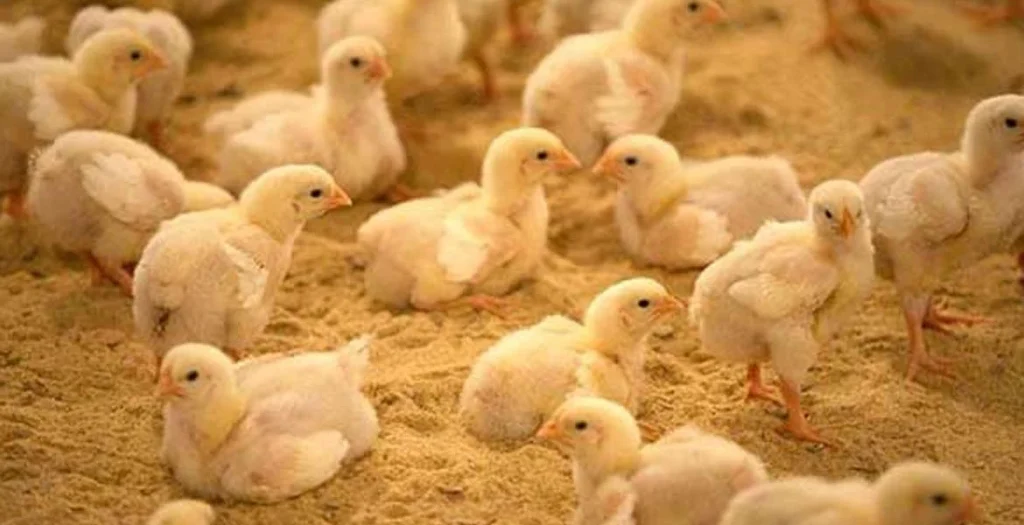
In poultry fat digestion is influenced by numerous factors such as bile acid secretion and dietary fat sources. Bile salts secretion, required for emulsification and micelle formation in the intestine, has been found to be influenced by quantity and quality of dietary lipids and by other emulsifiers. Several studies have shown that bile salt secretion and the activity of pancreatic lipase are reduced in young chicks in which bile salts secretion appears to be first limiting factor for lipid digestion through the first few weeks of post hatch.
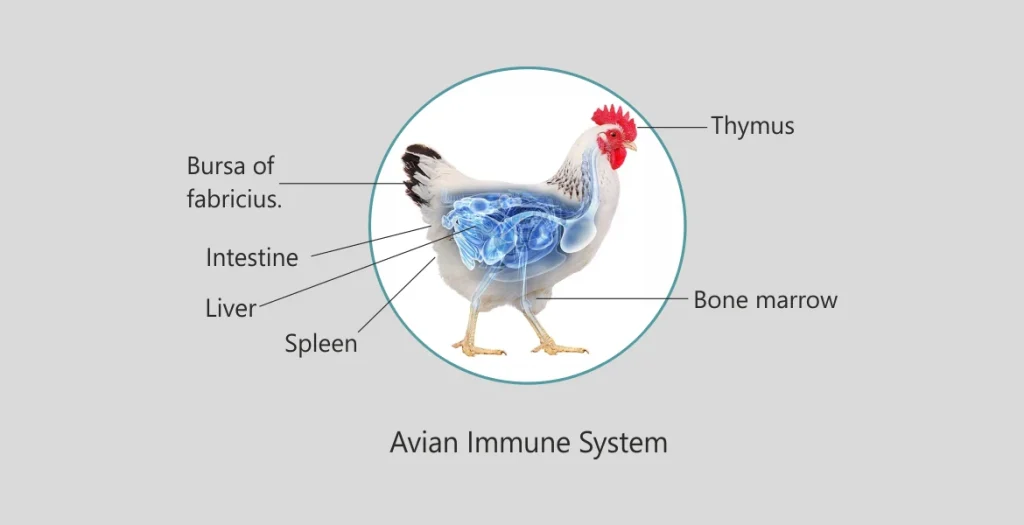
It is also suggested that presence of free radicals also interfere with the fat utilization resulting poor FCR, poor growth, loss of immunity & loss of nutrients.
Why there is need for synthetic emulsifiers?
At birth and during early stage of development the use of biosurfactant endogenous and/or exogenous means of enhancing the utilization of fat in young birds. The physiological limitations of the digestive system of broilers may be overcome using endogenous and/or exogenous strategies to maximize feed digestion and absorption. The addition of synthetic emulsifier to broiler diets is a very common practice as compared to other dietary supplements. The mode of action of emulsifiers is to increase the active surface of fats, allowing the action of lipase, which hydrolyze triglyceride molecules into fatty acids and mono-glycerides and favor the formation of micelles consisting of lipolysis products. This is an essential step for lipid absorption, as it creates a diffusion gradient that increases absorption.
Other benefits of synthetic emulsifiers:
Supplementation of emulsifiers has been shown to stimulate intestinal cell proliferation and prevent intestinal apoptosis. It is also alleviated mucosal damage and improves survival after lipopolysaccharide induced intestinal injury. Therefore, emulsifier supplementation may potentially protect the intestine from injury or infections.

 Call Now